

Table of Contents
Starting college for the first time can feel overwhelming.
You have to manage academics, social life, money, and independence all at once.
These 50 college freshman tips are based on real experience and will help you avoid common mistakes, do better in your studies, and enjoy your first year without unnecessary stress.
Academic Tips for College Freshmen

1. Choose professors over courses
A great professor can turn tough subjects into something manageable, and a bad one can ruin easy ones.
Before enrolling, check RateMyProfessors.com ratings and ask your seniors if possible. Freshmen often blame themselves for bad grades when sometimes it can be poor teaching, so don’t make that mistake.
2. Sit front row in first 3 weeks
I didn’t do this and regretted it. Peers might tease you for being a “teacher’s pet,” but professors often remember faces. This helps you built a network for recommendation letters and job connections later. You’re paying thousands so take advantage of every opportunity.
3. Visit office hours
My business communications professor was so happy when I visited him early in the semester. Most students never go, so you can instantly stand out as serious. Professors often help students who show extra effort.
Check out these exact email templates for professors.
4. Learn how to study
“Give me six hours to chop down a tree, and I will spend the first four sharpening the axe” – Abraham Lincoln.
College is not high school, you have to do a lot of self-study, and solve problems by yourself. Try methods like
active recall, practice tests, and teaching concepts aloud.
5. Start assignments earlier
Don’t be surprised if deadlines collide unexpectedly. Avoid the “I have time” mindset. Always start ahead of time.. It will help you avoid the panic.
6. Protect sleep above all
Sleep deprivation destroys memory and focus. Many students often sacrifice sleep to feel productive, but end up performing worse.
7. Use AI as a tutor, not a shortcut
Use of AI has increased rapidly recently, and students are using it to complete their work rather than using it as an opportunity to improve their skills. Use AI as your learning partner. It can explain difficult concepts, but do most work yourself.
8. Limit to 1 hard class per semester
If possible take only one difficult class per semester, as stacking several heavy courses leads to burnout.
9. Fixed weekly study routine
The routine removes the daily mental resistance of “when to start”. So try to study same time, same place.
Build this routine with my 4-S Study System.
10. Grades matter less than competence
I don’t mean to entirely forget about grades, but to put equal importance on your skills, as employers increasingly care about skills, projects, and portfolios.
Social Life Tips for Freshmen
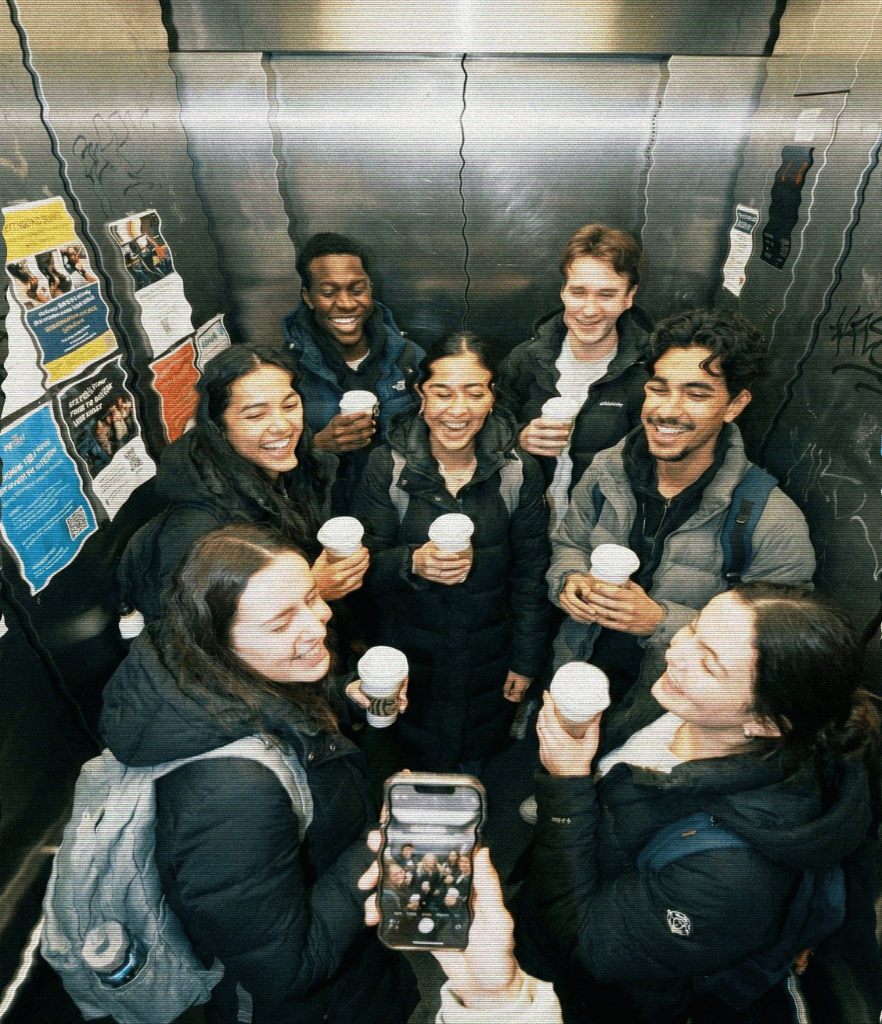
11. Everyone feels lost first month
Even confident students feel lost, and most students pretend to know what they are doing, so the fear that “everyone belongs but me” is totally normal, and you don’t have to worry about it too much.
12. Join one club immediately
Campus clubs are goldmines for connections around shared interests like coding, hiking, debate, etc. Check your college’s club fair to join.
13. Don’t try to be friends with everyone
Meet tons of people (via clubs/events), but only pursue those who you feel connected to.
14. Your first friend group may not last
You will have 3-4 years, so don’t stress out if your first friend group doesn’t work out.
Freshman friendships shift as people clarify majors/goals over time. View changes as growth, not rejection.
15. Eat with people whenever possible
Casual dining hall chats can build natural bonds. Say “Mind if I join?” to 2-3 familiar faces. Shared food = low-pressure way to reduce loneliness fast.
16. Avoid comparing your social life to Instagram
Instagram shows highlights, not reality. Instagram created a lot of FOMO in our generation, but I can tell you with experience, most of it is fake.
17. Learn to introduce yourself confidently
It may sound simple, but it is very effective advice, most people can’t even introduce themselves, so try practicing a good self-introduction. It creates a very good impression.
18. Attend events early in the semester
You have pressure of exams and assignments later so it’s better to do it earlier, as missed early opportunities are difficult to recreate.
19. Pick friends who lift your goals
You are the average of the five people around you. The environment shapes behavior. Some groups normalize skipping class and constant partying. So, choose your circle wisely.
20. Learn to enjoy time alone
People often confuse loneliness with being alone. Independence is a critical college skill that reduces fear of isolation.
Money Tips for College Students

21. Understand your student loans
Check your loan portal for interest rates, repayment start date, and monthly payments. Most grads discover debt surprises post-graduation, knowing this now prevents panic and poor choices.
22. Track your spending every month
Small expenses can add up to a bigger monthly spending, so it’s really important to track your spending. Use physical notebook or a notes app or Google Sheets.
23. Master the 48-hour rule
If you want to buy new shoes, wait 48 hours. 80% of “must-haves” lose appeal. This saved me $800 freshman year on impulse buys.
24. Get a campus job if possible
Library, tutoring, cafeteria pay $15-20/hr with zero commute. If you get a campus job, take it, it’s so much better than a job outside.
25. Learn basic budgeting
Let me clarify one misconception of “you have to live within your means” it’s false “you have to live below your means” at least in your college years.
Eg- If you have a $1,000/month budget, Aim for $800 spending, $200 saved. “Within your means” keeps you broke; “below” builds freedom. Start with 50/30/20 rule: 50% needs, 30% wants, 20% savings.
26. Buy used textbooks when possible
New textbooks can be extremely overpriced. You can check Facebook Marketplace or Chegg. Get free PDFs via campus library + LibGen.
27. Build a small emergency fund
Unexpected expenses happen, and security reduces stress.
28. Avoid credit cards completely
Minimum payments create long-term debt cycles. So, avoid credit cards at any cost, yes, avoid completely.
29. Learn one high-income skill
This skill should be independent of your studies. I would highly recommend spending at least 1 hour daily learning a high-income skill like copywriting, marketing or sales.
These are just a few examples. Choose the skill you like and spend time on it. Imagine spending 1 hour daily for the next 3-4 years, and you will be a master and don’t have to worry when graduating, and having earning ability reduces the fear of the future.
30. Start thinking about internships early
Top programs recruit October for summer spots. Build your LinkedIn, document class projects now. “No experience” excuse disappears with preparation.
Mental Health Tips for Freshmen

31. Feeling lost is normal
Freshmen often interpret confusion as personal failure. Uncertainty is part of transition, so give yourself some time and don’t be hard on yourself.
32. Maintain basic routines
Sleep 7hrs + 3 meals + 20min walk. These stabilize mood when everything else feels chaotic.
33. Limit constant comparison
Everyone progresses differently. I know it may sound like a touché, but speaking from personal experience, comparing will only slow down your progress and give you a sense of helplessness.
34. Take breaks without guilt
Rest improves productivity, students often feel guilty for resting. The hustle culture had done serious damage to our generation, so taking breaks when needed is really important.
35. Ask for help early
Waiting until a crisis can make problems worse. Pride often prevents us from seeking support. But let me tell you, most people want to help, so reach out for help.
36. Pick 1 productivity system only
Too many productivity systems create confusion, and simplicity reduces mental fatigue.
37. Spend time outside
Nature improves mood and focus. Simple walk outside can reduce cortisol 20%. Small environmental changes impact our nervous system.
38. Keep perspective during bad weeks
One difficult semester does not define your future. Temporary setbacks may feel permanent in the moment. I failed one class, and because of that I had to do one extra semester, and it was pretty hard for me.
Because, I was a good student academically and was struggling with mental health issues but now if I look back at it I see that I was part of my journey that shaped who I am today.
39. Guard your energy
You have probably heard the term “energy vampire”. Limit toxic environments and energy vampires such as draining group chats, gossip circles, constant party pushers. Emotional exhaustion can affect your academic performance.
40. Journaling helps process stress
Writing helps you clear your thoughts. I started journaling during my semester break, and it is one of the things I did as, it helped me with my mental health.
Check out my posts on How to Micro-Journal.
Campus Resources Most Freshmen Ignore

41. Explore the campus library
Libraries are more than books. They offer quiet spaces, research support, citation tools, and workshops. Most students don’t take advantage of these resources.
42. Use career centers early
Don’t wait until final year. Career staff can fix your resume, help with LinkedIn, practice interviews, and connect you with internships and part-time jobs.
43. Academic advisors can prevent costly mistakes
Course planning errors can delay graduation. Advisors know which class combos are good and which prerequisites you must hit.
44. Take counselling services seriously (I did)
Most campuses include free or low-cost therapy in your fees. I used counselling when I was struggling, and it made a huge difference in my mental health and grades. There is zero shame in asking for professional support.
45. Writing centers improve assignments dramatically
This can be a really good service if you are an international student and English is not your first language, and even if you want to improve your writing. They’ll help with structure, clarity, and grammar.
46. Networking events create opportunities
Career fairs, alumni panels, and club mixers are where internships and research positions appear. Aim to attend at least one event each month and introduce yourself to new people.
47. Use tutoring services early
Tutoring isn’t for “weak” students. It’s for smart ones who want to improve their grades and learn better.
48. Attend professor’s guest lectures
Departments often host professionals from industry or grad programs. These talks expose you to real-world paths and give you perfect people to email later for opportunities.
49. Explore student discounts
You can get cheaper software, transit, streaming, and even groceries with your student ID.
Check my post to Unlock $3,000+ in Free AI Tools & Student Discounts
50. Treat college as your life lab
Use these four years to test interests, habits, and side projects with relatively low risk. Every club joined, skill learned, or job tried gives you data on what kind of life you actually want.
Conclusion
Starting college can feel overwhelming, but the right habits and mindset can make your first year much easier. These 50 college freshman tips are meant to help you with all the aspects of college and avoid common mistakes.
Remember, you don’t have to do everything perfectly. Focus on learning, growing, and making the most of your college experience.
Loved these tips? Check out my other posts you might find helpful:
→ Freshman Dorm Checklist: What to Buy (and Skip)
→ 40 Questions to Ask Potential Roommates
→ Best AI Writing Tools for College Students
For more on studying smarter, saving money, and student productivity, explore my blog.